
When you are building an online educational store or digital publishing business, choosing where to source your visual graphics determines how fast you scale, how high your profit margins remain, and whether your products look professional enough to stand out in crowded marketplaces like Etsy, Amazon KDP, and Teachers Pay Teachers (TPT).
So, What Exactly Is Life Cycle Learning Vault?
The Life Cycle Learning Vault is a comprehensive prompt engineering system containing 480 specialized AI prompts spread across 13 distinct categories designed to generate high-end educational life cycle charts, flashcards, posters, and book interiors.
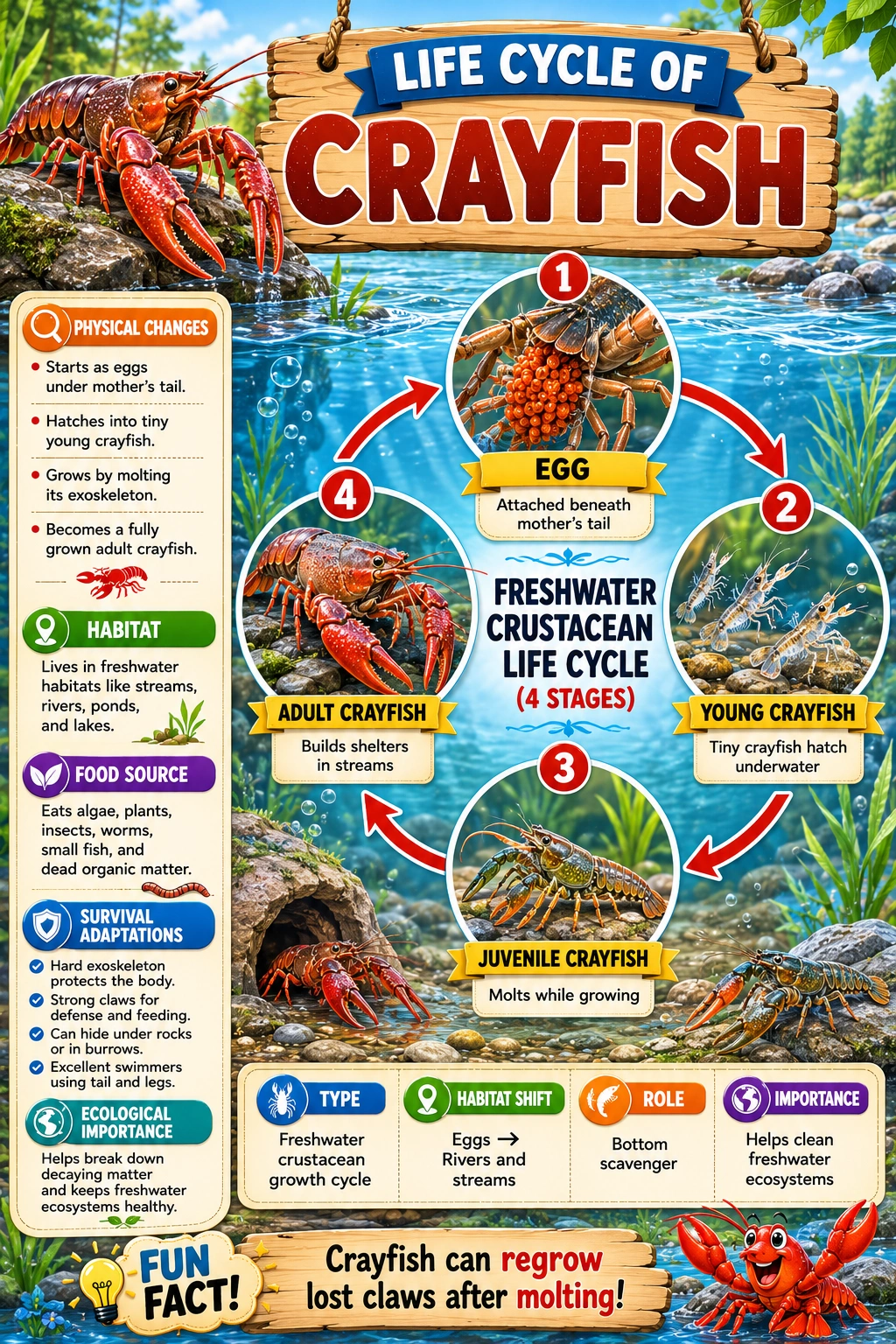
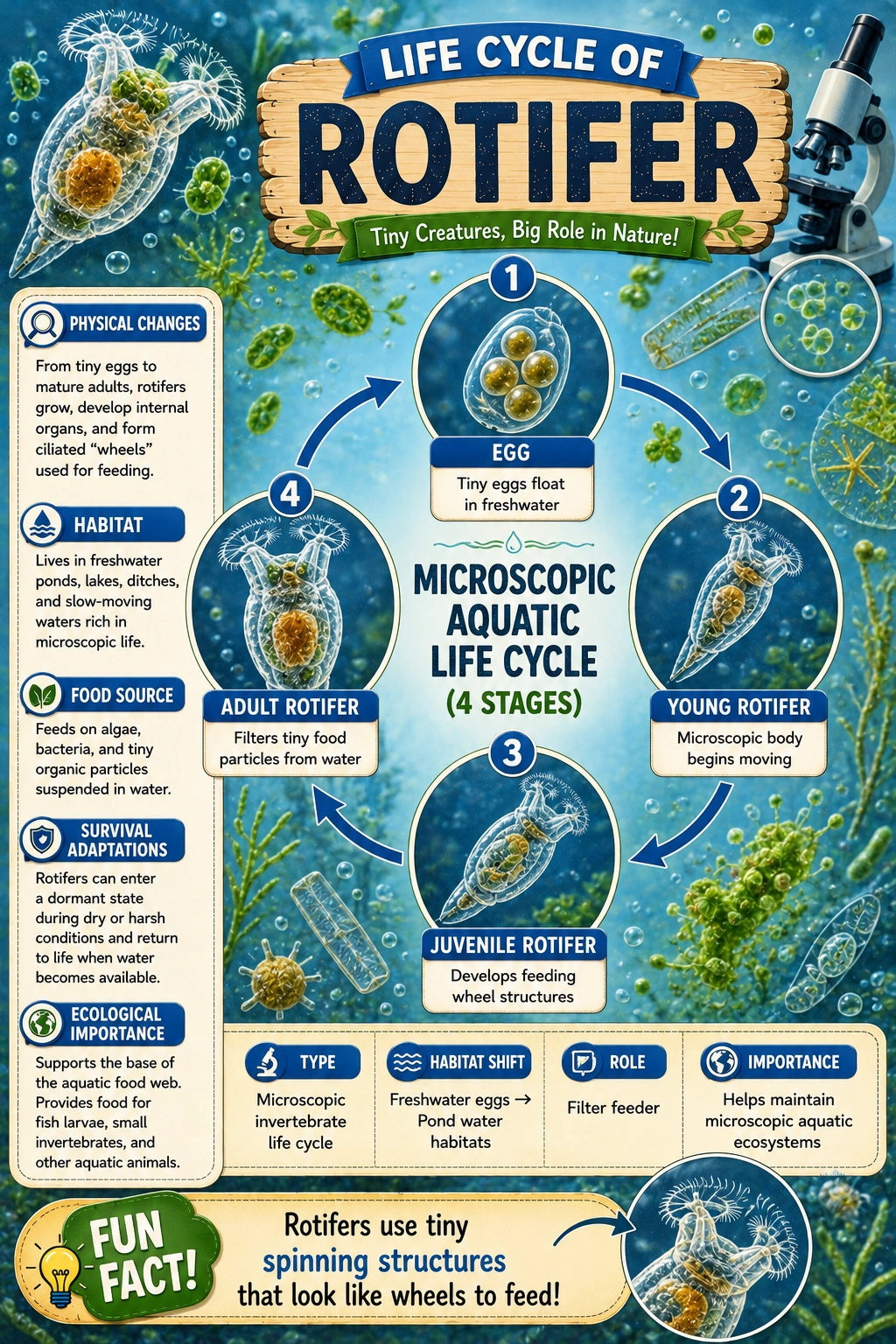
Its primary standout feature is its pedagogical visual logic, which solves the common AI issue where generators misrepresent scientific stages or produce non-sequential circular graphics.
By engineered command strings, this system allows creators to generate publishable, scientifically structured artwork in seconds using AI engines like Midjourney, DALL-E 3, Leonardo AI, and Flux.
It provides an instant bridge for digital creators who want to build high-converting learning bundles without spending hundreds of hours on graphic software or paying individual artist licensing fees.
To see how this tool fits into our broader breakdown, you can read thorough Life Cycle Learning Vault review on our main testing hub.
When I first loaded the Life Cycle Learning Vault prompts into ChatGPT using DALL-E 3, I was skeptical about whether a simple text command could produce a accurate biological cycle.
I do not have a background in biological design or graphic art, so I always struggled with organizing circular chart layouts in graphic design apps.
My initial attempt involved pasting one of the frog life cycle prompts directly into the prompt box without making any adjustments.
I experienced a moment of doubt when the image rendering took slightly longer than usual, leading me to worry that the command structure was too complex for the AI engine.
However, when the output populated, I was surprised to see a cleanly separated four-stage progression with clear visual arrows, crisp educational callout spaces, and a balanced watercolor style.
The output looked like a high-end science textbook illustration ready for print, requiring zero manual layout tweaks on my end.
That initial test demonstrated that the command strings successfully bypass the common visual mistakes that render standard generative prompts useless for classrooms.
Life Cycle Learning Vault Vs TPT: Direct Comparison Matrix
To evaluate whether you should buy pre-made printable resources on Teachers Pay Teachers (TPT) or use the Life Cycle Learning Vault, we must break down their technical differences.
TPT serves primarily as a buyer-facing marketplace where teachers purchase finished static PDF files created by other educators.
Conversely, the Life Cycle Learning Vault operates as a seller engine that allows you to generate completely original assets for your own storefront.
| Evaluation Factor | Life Cycle Learning Vault | Teachers Pay Teachers (TPT) Assets |
|---|---|---|
| Core Format | 480 Precision AI Prompt Command Strings | Finished PDF/PNG Static Downloads |
| Customization Level | Infinite (Change art styles, colors, text placement) | Fixed (Requires un-flattened files to edit) |
| Commercial Rights | 100% Full Commercial Rights Included | Personal/Single Classroom License (Commercial costs extra) |
| Cost Model | $17 One-Time Lifetime Access | $3.00 to $15.00 Per Individual Resource Pack |
| Asset Output Volume | Unlimited Graphics & Bundles | Single Topic per Purchase |
| Target Audience | KDP Publishers, Etsy Sellers, TPT Store Owners | Teachers & Homeschool Parents (End Users) |
When analyzing this matrix, it becomes apparent that comparing tpt vs life cycle learning vault is like comparing buying bread at the store to owning the bakery.
If you are a teacher looking for a ready-to-print worksheet for tomorrow morning’s class, TPT is a convenient direct option.
However, if your goal is to sell educational materials across Amazon KDP, Etsy, or even open your own shop on TPT, relying on pre-made downloads limits your margins.
Purchasing pre-made graphics on TPT limits your license, preventing you from legally reselling those items on competing commercial platforms.
The Life Cycle Learning Vault places the underlying generator directly into your hands, giving you the ability to compete against top TPT sellers.
Cost Analysis: Buying TPT Resources vs Owning the Vault Engine
Understanding cost efficiency is critical for anyone trying to build a sustainable digital asset business.
Buying individual life cycle clip art bundles on TPT quickly accumulates significant business expenses over time.
On average, a single high-quality clip art pack for a plant, frog, or butterfly life cycle on TPT costs between $4.00 and $8.00.
If you plan to build a complete science catalog featuring 20 different organisms, your baseline image expenditure on TPT ranges from $80.00 to $160.00 for graphics alone.
Crucially, most standard clip art on TPT comes with a restricted single-classroom license.
If you want extended commercial rights to publish those images inside Amazon KDP books or public Etsy listings, creators often charge add-on licensing fees ranging from $25.00 to $50.00 per set.
In contrast, the Life Cycle Learning Vault costs $17 as a single front-end purchase during its launch window.
That $17 entry fee includes 480 prompts across 13 specialized categories without ongoing monthly subscription fees.
Because full commercial rights are built directly into the Vault, every output image you render belongs entirely to you.
You can package those rendered graphics into endless PDF worksheets, physical posters, or KDP interior pages without paying royalties.
To see how to secure the best front-end deal before pricing scales up, you can see Life Cycle Learning Vault discount package directly.
Asset Creation Speed & Customization Capabilities
The main bottleneck for educational store owners is asset creation speed.
Creating biological charts manually in software like Illustrator or Canva requires sourcing vectors, aligning arrows, verifying scientific accuracy, and styling backgrounds.
A detailed life cycle diagram can easily take an entire afternoon to align correctly.
Standard text prompts typed into basic AI platforms often generate severe visual defects.
When typing “draw a butterfly life cycle” into basic generators, the AI usually hallucinates non-existent stages, misplaces arrows, or omits key transitions like the chrysalis.
The Life Cycle Learning Vault eliminates these layout errors by utilizing pre-tested structural command chains.
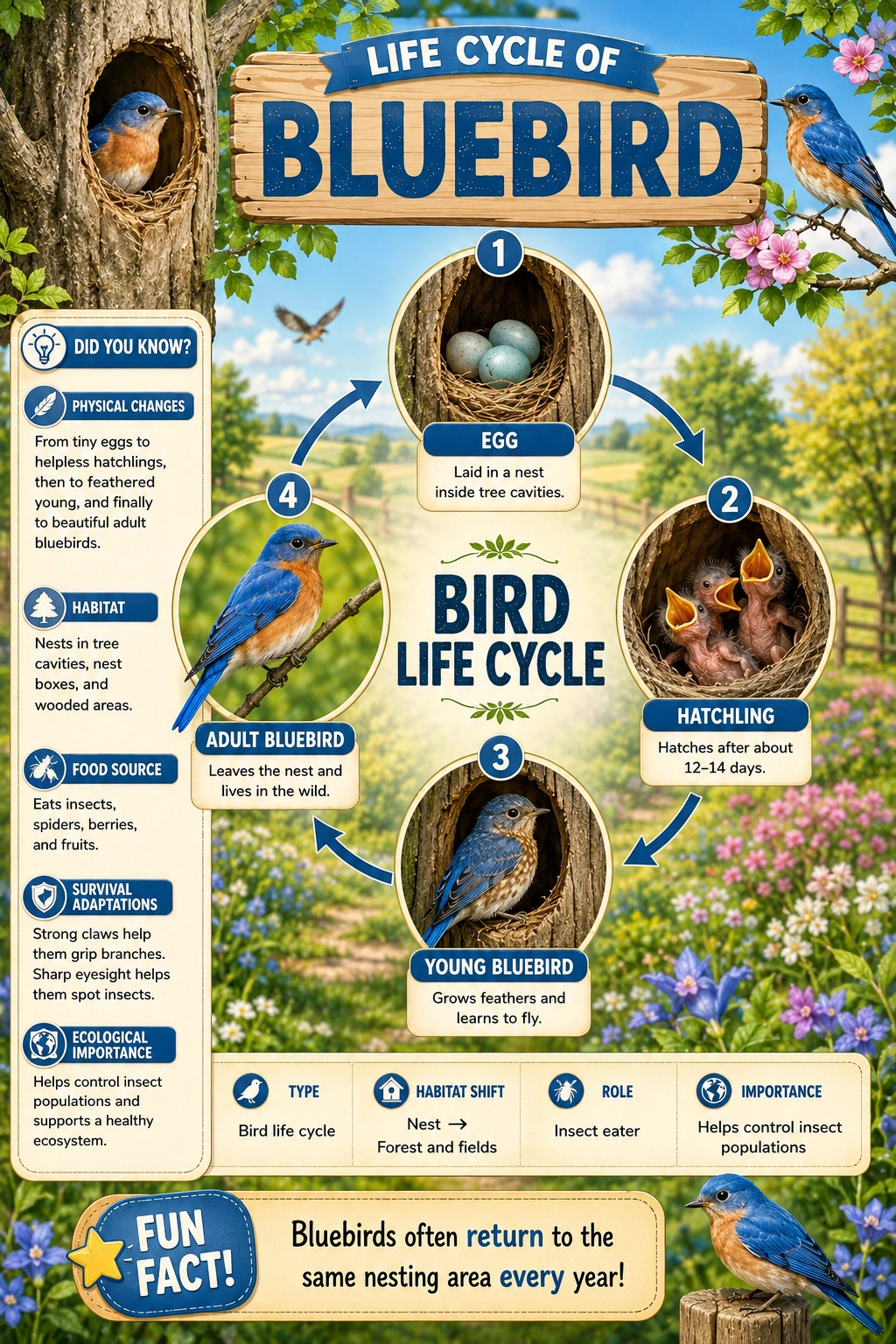
These command chains instruct the AI engine to lock in specific visual layouts, such as circular flow diagrams, clear stage separations, and textbook aesthetics.
You can choose between multiple aesthetic output styles including watercolor, realistic 3D, vintage botanical prints, or clean vector line drawings for coloring books.
Instead of spending three hours arranging a single poster on Canva, you can generate ten high-resolution options in under ten minutes using Midjourney or DALL-E 3.
This allows educational content creators to scale their store inventory rapidly without sacrificing biological accuracy.
Commercial Rights & Selling Platforms: KDP, Etsy, and TPT
A key factor in selecting an educational design system is the clarity of its commercial licensing agreement.
Many digital asset platforms enforce strict usage rules that prevent creators from distributing generated artwork on print-on-demand services.
When searching for a best life cycle learning vault alternatives, licensing terms are often the primary point of failure.
The creators of the Life Cycle Learning Vault, Johney Lilhare and Yuvraj Kore, explicitly include full commercial rights with the front-end purchase.
This means you retain 100% ownership over every raw rendered image, adjusted design, and final PDF layout you create using the prompt library.
You can upload your designs as physical classroom posters on Etsy, compile them into KDP science activity books, or bundle them as printable PDF units on Teachers Pay Teachers itself.
Having explicit commercial clearing removes legal doubt when building a multi-platform distribution network.
Is Life Cycle Learning Vault Legit or a Scam?
When reviewing new digital products in the affiliate tech space, verifying vendor legitimacy is essential.
The Life Cycle Learning Vault is created by digital product creators Johney Lilhare and Yuvraj Kore.
They are established sellers on major affiliate platforms like WarriorPlus and have built several specialized digital asset repositories.
The product is delivered immediately upon purchase as a structured prompt library access portal.
The product offer is backed by a 30-Day “Royalty” Guarantee.
This refund policy allows buyers to test the prompt structures inside their preferred AI image generator for up to 30 days.
If the outputs do not deliver the expected layout quality, buyers can email vendor support for a full purchase price refund.
Because delivery is automated through secure checkout channels and backed by a clear refund window, the offer is legitimate and reliable.
Life Cycle Learning Vault Pros and Cons
To keep this comparison objective, I have compiled a breakdown of the strong points and limitations of this system.
Pros
- Extensive Prompts Library: Includes 480 pre-tested AI prompt command strings spread across 13 learning categories.
- Universal AI Engine Compatibility: Commands are crafted to function seamlessly in Midjourney, DALL-E 3, Leonardo AI, and Flux.
- Solves Layout Errors: Engineered commands force the AI to produce biologically accurate visual progressions instead of jumbled imagery.
- 100% Commercial Usage Rights: Full ownership of rendered assets without royalty payments or per-sale limits.
- Valuable Launch Bonus Package: Includes 50 Cover Design Prompts ($97 value), Amazon KDP Success Kit ($97 value), and 40 Canva Mockups ($97 value).
- Low Front-End Cost: Available for a $17 launch price compared to a calculated total package value of $485.
Cons
- Requires External AI Account: Users must have access to an AI generator like ChatGPT Plus, Midjourney, or Leonardo AI to render images.
- Prompt Adjustments May Be Needed: Minor prompt tweaks might still be required depending on specific AI engine updates.
- Time-Limited Discount Price: The $17 pricing is designated for the initial launch phase and may transition into a higher pricing structure later.
Best Life Cycle Learning Vault Alternatives
If you are exploring the market, several secondary options exist depending on your business goals.
Evaluating best life cycle learning vault alternatives helps highlight how different creative systems stack up against each other.
1. Raw Midjourney or ChatGPT Subscriptions
You can choose to write your own prompts from scratch using a standard $20/month ChatGPT or Midjourney account.
While this avoids buying a prompt vault, it requires extensive trial and error to eliminate visual inaccuracies in biological diagrams.
You will likely spend significant render credits fixing missing stages and improper line alignments.
2. Canva Pro Stock Graphic Library
Canva Pro provides access to millions of static illustrations and pre-made education templates for a monthly subscription fee.
This alternative works well for quick classroom flyers but limits your uniqueness because thousands of sellers use the exact same stock elements.
Furthermore, Canva retains commercial licensing restrictions regarding reselling individual stock elements as standalone printables on competing marketplaces.
3. Direct Marketplace Purchases on Teachers Pay Teachers
Buying finished PDFs on TPT is a suitable choice for educators who only need classroom materials for single-use teaching.
However, when looking at life cycle learning vault compared to teachers pay teachers for business owners, buying static PDFs on TPT prevents you from building a scalable, white-label product store.
Final Verdict: Which One Is Best For Your Business?
Choosing between the Life Cycle Learning Vault and Teachers Pay Teachers depends on whether your goal is consuming content or building an asset portfolio.
If you are an educator who needs a quick, single-use worksheet for a lesson plan tomorrow, purchasing an individual PDF from Teachers Pay Teachers makes practical sense.
However, if you are a digital publishing seller looking to build long-term passive revenue across Amazon KDP, Etsy, or TPT itself, buying individual graphics on TPT is too restrictive and expensive.
The primary keyword dynamic surrounding life cycle learning vault vs tpt shows that creators are seeking leverage, flexibility, and speed.
The Life Cycle Learning Vault provides 480 precision-engineered prompts that eliminate visual rendering mistakes while granting complete commercial rights for a low $17 launch price.
By owning the underlying generation engine, you can publish unlimited classroom printables, science activity books, and educational posters without ongoing licensing fees.
If you have any questions regarding our testing results or technical workflow, I’m available at admin@uprightreview.com to assist you directly.